Blog

LUXURY TRAIL TRAVEL: THE STRATEGIC EDGE FOR TOUR OPERATORS

Optimizing Operations, Maximizing Margins, and Elevating Guest Experience

In the evolving landscape of modern tourism, international travelers (especially from Europe, North America, and Australia) are shifting toward “Slow Travel.” For a Tour Operator, choosing luxury rail over air or road travel is not just a logistical choice—it is a strategic move to solve three major challenges: Cost Efficiency, Operational Stability, and Guest Satisfaction.

  1. The Economic Advantage: Eliminating “Hidden Costs”

While luxury rail tickets may occasionally align with airfares, the Total Cost of Trip (TCT) reveals a superior financial advantage for the TO:

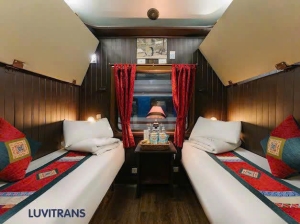
  • The “Mobile Hotel” Concept: On overnight routes (e.g., Hanoi – Sapa, Hanoi – Hue), the train serves as premium accommodation. TOs save the cost of one hotel night while ensuring guests enjoy a high-end sleeping experience.
  • Centralized Logistics: Railway stations are located in city centers. Instead of a 60-minute expensive private transfer to suburban airports (like Noi Bai or Tan Son Nhất), the group is only 5–10 minutes away from their hotel.
  • No Baggage Surcharges: International groups often carry heavy luggage. Rail travel eliminates the stress of weight limits and excess baggage fees common in aviation.
  1. Operational Excellence: Stability is King

In tour management, delays are a reputational nightmare. Rail offers a level of reliability that other modes cannot match:

  • High On-Time Performance: Unlike flights affected by air traffic or weather, or coaches delayed by road congestion, the Vietnamese railway maintains a highly stable and predictable schedule.
  • Streamlined Boarding: No 2-hour check-in windows, no stressful security lines. This reduces “travel fatigue” for the guests and lessens the burden on Tour Guides.
  • Immediate Sightseeing: Upon arrival, guests are already in the heart of the destination, allowing for an immediate start to the city tour without transit downtime.
  1. A Marketing “Weapon”: Unique Cultural Immersion

A flight is a transit; a luxury train is a heritage experience:

  • “Million-Dollar” Views: Cung đường passes through iconic sites like the Hai Van Pass and Lang Co Bay—views that are physically impossible to see from a plane or a highway. These are invaluable visual assets for your marketing content.
  • Social Connectivity: Luxury carriages feature lounge areas where guests can socialize over local delicacies and fine wine. This fosters “Group Bonding”—a key factor in high post-tour ratings.
  • Eco-Friendly Travel: Global travelers increasingly prioritize their carbon footprint. Promoting rail travel positions your agency as a sustainable and environmentally conscious brand.
  1. Exclusive Benefits from Your Dedicated Rail Partner

By partnering with a specialized rail agency rather than booking retail, Tour Operators receive:

  • Guaranteed Allotments: Confirmed block-seating for large groups even during peak seasons (Tet, Christmas, Summer).
  • On-Site Ground Support: Our staff is stationed at the platform to handle boarding, luggage assistance, and any last-minute changes, acting as an extension of your operations team.

Conclusion: Luxury rail is no longer just a way to get from A to B; it is a Premium Travel Product. Investing in rail journeys is an investment in the peace of mind of your operators and the long-term loyalty of your travelers

SCENIC LANDSCAPES OF NINH BÌNH – VIETNAM

Travel experience guides to Ninh Bình’s scenic spots are always highly searched before any trip to explore this ancient capital land. This destination promises an unforgettable journey with a harmonious blend of pristine natural beauty and rich cultural depth. If you are looking for a Ninh Bình travel review or wondering what to do in Tràng An, this article will be an ideal suggestion.

If you are wondering what to do in Ninh Bình, the list below is the perfect answer. From the poetic journey through Tràng An to stunning “check-in” photo spots, each location has its own unique charm waiting for you to explore.

1. Places to explore in Ninh Bình

Tràng An Scenic Landscape Complex
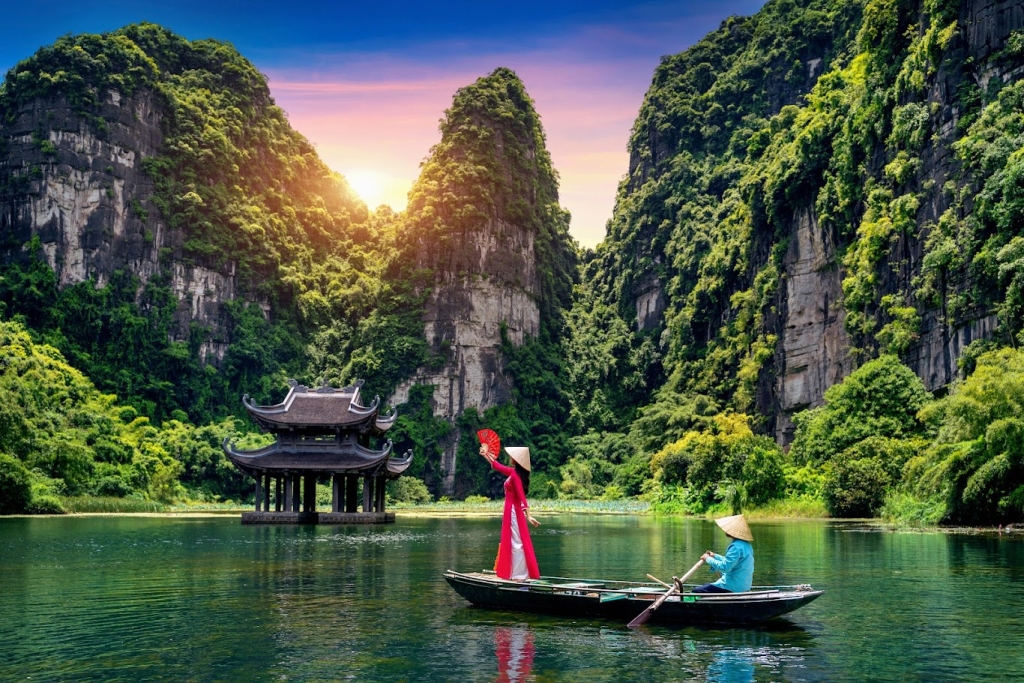
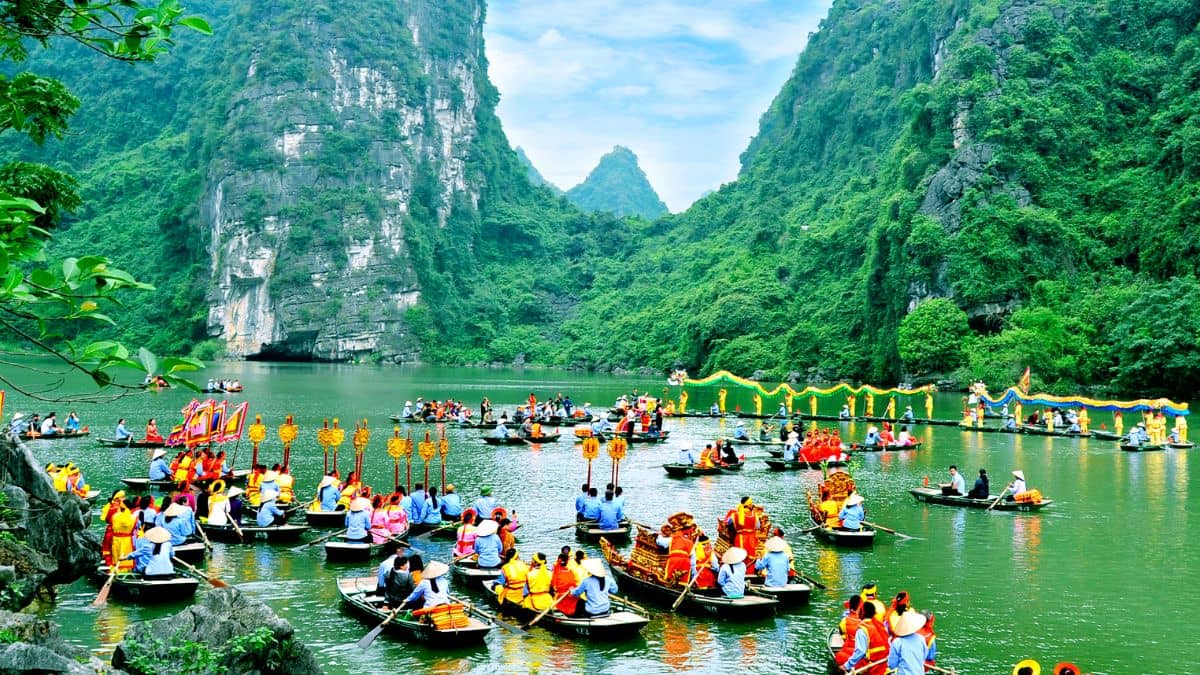
With a system of winding rivers around limestone mountains, mysterious natural caves, and ancient temples, Tràng An tourism offers both a spiritual and poetic experience.

Don’t miss the boat ride through dozens of caves such as Sáng Cave, Tối Cave, Nấu Rượu Cave, etc. — cool and mysterious. This journey will surely leave a lasting impression on visitors to Ninh Bình.

Danh lam thắng cảnh Ninh Bình Tràng An

To fully capture your moments and easily look up travel experiences, a high-quality train ticket from Hanoi to Ninh Bình will be a helpful companion. Check out the Hanoi – Ninh Bình train route at https://luvitrans.com.vn/ with various options suitable for all travel and photography needs!

Tam Cốc – Bích Động
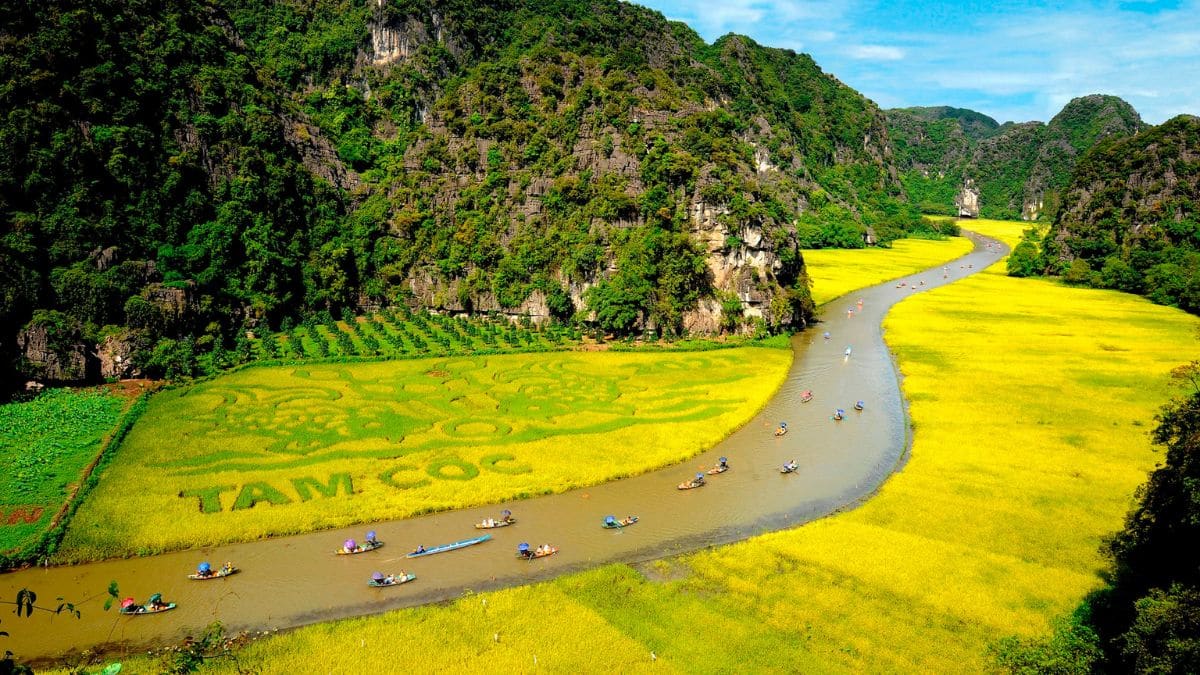
If Tràng An offers majestic natural beauty, Tam Cốc – Bích Động brings a poetic and picturesque charm. Tam Cốc, meaning “three caves,” stands out with towering limestone mountains surrounding lush green or golden rice fields (depending on the season).

Danh lam thắng cảnh Ninh Bình Tam CốcVisitors will drift on boats through Hang Cả, Hang Hai, and Hang Ba in a rare peaceful setting. Meanwhile, Bích Động Pagoda, located on a mountainside, is known as the “second most beautiful cave in the South” and is an ideal stop for those who love ancient architecture and sacred spaces.

Hang Múa – A perfect check-in spot
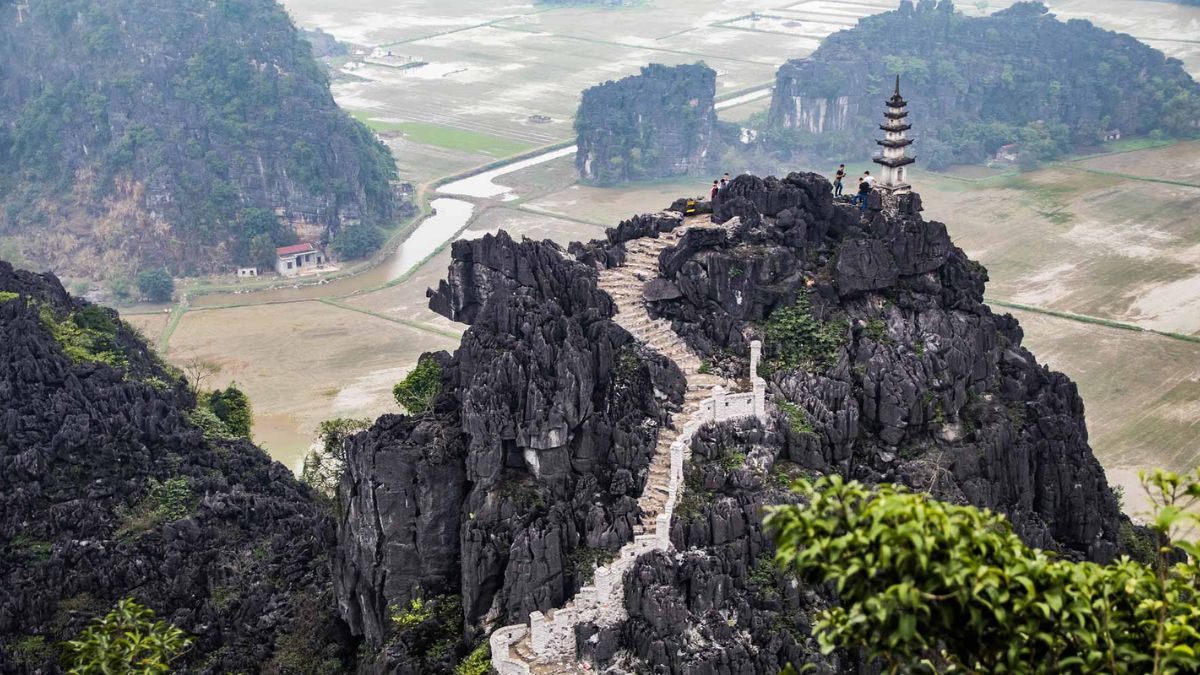
Hang Múa is not only a famous scenic site in Ninh Bình but also a paradise for photography lovers. From the top, after climbing nearly 500 stone steps, you can enjoy a breathtaking panoramic view of Tam Cốc like an ink painting.

The mountain range resembles a dragon winding through the sky, especially beautiful at sunrise or sunset. Any Ninh Bình travel review would be incomplete without Hang Múa — where every photo can become a masterpiece.

Danh lam thắng cảnh Ninh Bình Hang MúaHoa Lư Ancient Capital – A golden historical mark
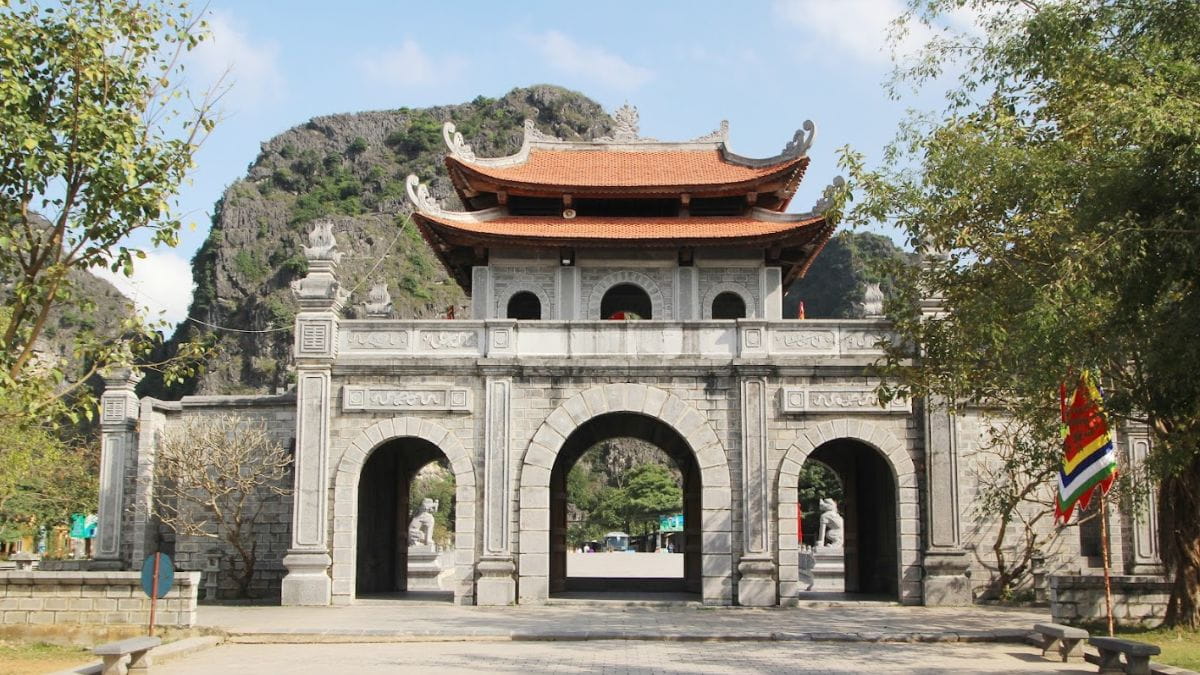
Hoa Lư was the first capital of Đại Cồ Việt during the Đinh and Early Lê dynasties, carrying strong historical significance and considered a cultural symbol of Vietnam.

The complex includes temples dedicated to King Đinh Tiên Hoàng, King Lê Đại Hành, along with many ancient artifacts and architectural works.

After more than a thousand years, it still preserves its ancient charm and solemn atmosphere. For those who love history and culture, Hoa Lư is definitely a must-visit destination in Ninh Bình.

Danh lam thắng cảnh Ninh Bình Hoa LưBái Đính Pagoda Complex
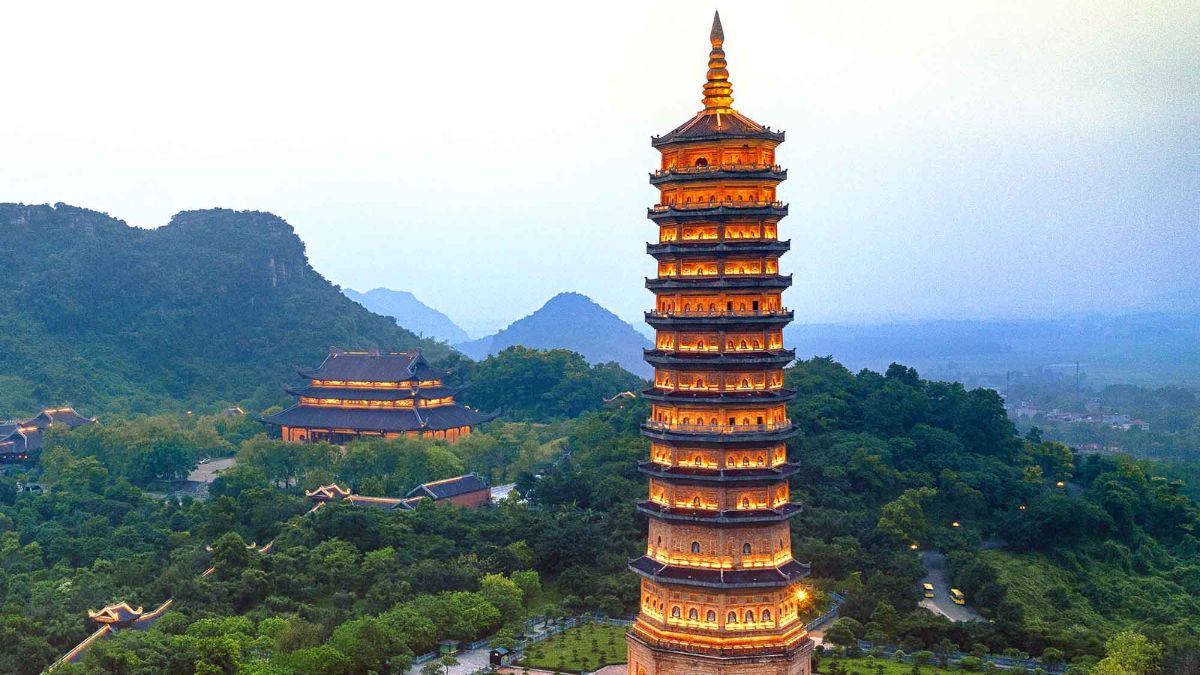
Bái Đính Pagoda, known as the largest pagoda in Southeast Asia, is a must-visit when exploring Ninh Bình. It impresses visitors with many records such as the largest bronze Buddha statue in Asia and the longest Arhat corridor in Vietnam.

As an important part of Ninh Bình’s cultural and natural heritage, Bái Đính attracts not only pilgrims but also those who seek a peaceful and sacred atmosphere. During the Lunar New Year, thousands of visitors come here to pray for peace and good fortune while admiring its magnificent Buddhist architecture.

Danh lam thắng cảnh Ninh Bình chùa Bái Đính

Tuyệt Tình Cốc – A fairyland-like beauty
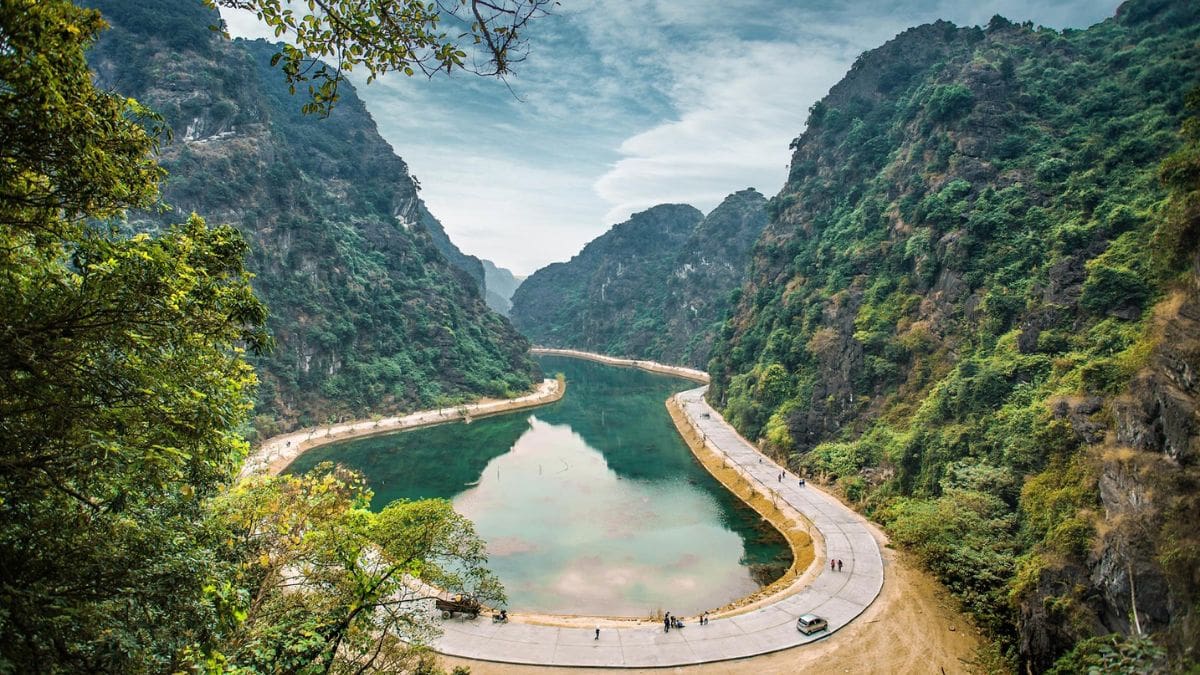
Hidden among limestone mountains is a jade-green lake called Tuyệt Tình Cốc (also known as An Tiêm Cave). This place has been featured in many Vietnamese historical films and is a popular spot for wedding and artistic photography.

Danh lam thắng cảnh Ninh Bình Tuyệt Tình Cốc

With its calm water reflecting the sky and surrounding mountains, the scenery feels like stepping into a fairyland. If you are looking for a peaceful and unique destination, Tuyệt Tình Cốc is an ideal choice.

2. Why is Ninh Bình a must-visit destination on Vietnam’s travel map?

Ninh Bình offers a diverse system of scenic landscapes with deep cultural and historical value. From ancient relics and sacred pagodas to fascinating caves, there are countless answers to the question “what to do in Ninh Bình.” It is also conveniently located between Northern and Central Vietnam, making it perfect for short trips or weekend getaways.

3. What should you prepare for a trip to Ninh Bình?

For a complete travel experience, prepare light and comfortable clothing, preferably sneakers, hats, and a light jacket. If traveling in sunny weather, don’t forget sunscreen, sunglasses, and water.

For spiritual sites, dress modestly. Additionally, book boat tickets and accommodation in advance, especially during holidays or weekends, and bring cash as some places may not support electronic payments.

Your journey will be even more fulfilling with practical and useful travel experience. Each destination here has its own unique charm, from majestic nature to deep historical significance. Don’t forget to capture memorable moments and share them with Luvitrans to spread the beauty of the ancient capital further.

DISCOVER THE MAJESTIC CAVE KINGDOM OF QUANG BINH

Discover the Majestic Cave Kingdom of Quảng Bình

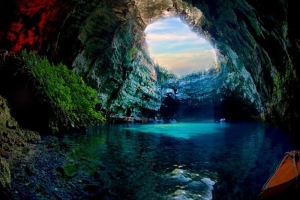
Quảng Bình is widely known as the “Kingdom of Caves” in Vietnam, a paradise for travelers who love nature, adventure, and exploration. Home to hundreds of spectacular caves hidden within vast limestone mountains, this region offers some of the most breathtaking underground landscapes in the world. From massive caverns and underground rivers to sparkling stalactites and lush cave jungles, each cave tells a fascinating story shaped by millions of years of geological evolution.

If you are planning a trip to central Vietnam, exploring the caves of Quảng Bình is an experience you should not miss.

Note: After the recent administrative merger, Quảng Bình and Quảng Trị provinces have been unified into the new Quảng Trị Province.

Why Quảng Bình Is Called the “Kingdom of Caves”

Quảng Bình features extensive limestone mountain ranges that remain largely intact and uninterrupted. Over millions of years, rainwater eroded the limestone, seeping through cracks and slowly dissolving the rock. This natural process created vast underground cave systems, some stretching dozens of kilometers.

Geologists believe that around 460 million years ago, marine organisms and shells accumulated on the ocean floor. Over time, calcium minerals combined with seawater to form layers of calcium carbonate. Through geological changes over millions of years, these layers transformed into limestone mountains, eventually giving birth to the spectacular caves we see today.

Today, the cave system in Quảng Bình is recognized as one of the largest and most remarkable cave networks in the world.

Top Caves in Quảng Bình You Should Visit

Phong Nha Cave

Located within the limestone mountains of Phong Nha – Kẻ Bàng National Park, Phong Nha Cave is often called “The First Wonder Cave of Southern Vietnam.” Surrounded by lush tropical forests, the cave boasts breathtaking natural scenery.

Stretching 7,729 meters in length, the cave features several impressive chambers such as Bi Ký Cave, Tiên Cave, and Cung Đình Cave. Inside, visitors can admire extraordinary stalactite formations while drifting along an underground river.

According to local legend, the name “Phong Nha” refers to the stalactites at the entrance that resemble giant teeth, allowing the wind to blow through like air passing between teeth.

Paradise Cave (Thiên Đường Cave)

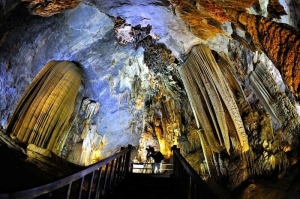
Paradise Cave lives up to its name. Often described as an “underground royal palace,” it is one of the most magnificent caves in the world.

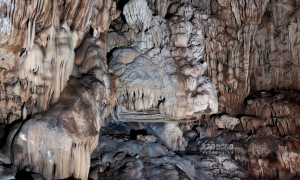
Hidden deep inside Phong Nha – Kẻ Bàng National Park, the cave lies within a karst formation estimated to be over 400 million years old. Visitors can walk along wooden pathways inside the cave to admire dazzling stalactites and stalagmites that resemble chandeliers, palaces, and natural sculptures.

Tiên Cave

Part of the Tú Làn Cave System, Tiên Cave is known for its unique geological formations. During the rainy season, water flows through the cave forming a small stream over fine sand.

One of the most striking features here is the swirling limestone formations that resemble terraced rice fields. Before reaching the cave, visitors pass by the beautiful Bottomless Lake, whose emerald-green water creates a tranquil and picturesque landscape.

Dark Cave (Hang Tối)

Discovered during the Vietnam War, Dark Cave once served as a shelter for local residents and soldiers.

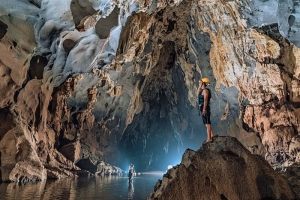
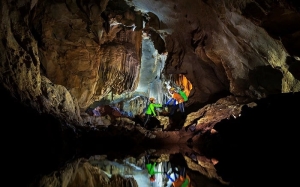
Today, it has become one of the most exciting adventure destinations in Quảng Bình. Visitors can enjoy activities such as ziplining, kayaking, mud bathing, and cave exploration. Despite its name, sunlight occasionally penetrates the cave entrance, reflecting beautifully off the water and limestone walls.

Én Cave

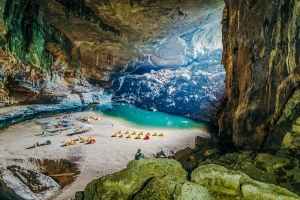
Én Cave is one of the largest caves in the region and is famous for its dramatic natural setting.

The cave stretches 1,645 meters through an entire mountain, with three large entrances aligned along the flow of the Rào Thương stream. Inside, visitors can camp beneath enormous cave ceilings while enjoying the peaceful sounds of nature and observing the diverse ecosystem that thrives within the cave.

Tiên Sơn Cave

Tiên Sơn Cave, also known as the Dry Cave, sits about 200 meters above sea level along a winding mountain path.

Discovered in 1935, the cave was named after its fairy-like beauty. The interior features dazzling stalactite formations that sparkle under artificial lighting, creating a magical atmosphere. Tiên Sơn Cave is also connected to the nearby Phong Nha Cave, forming part of a larger cave system.

Eight Ladies Cave (Hang Tám Cô)

Eight Ladies Cave is not only a natural site but also an important historical memorial.

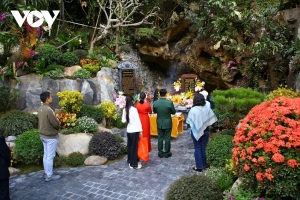
Located along the famous Road 20 Quyết Thắng, the cave commemorates eight young female volunteers who sacrificed their lives during the Vietnam War. Today, it has become a sacred place where visitors come to learn about Vietnam’s history and pay their respects.

Thủy Cung Cave

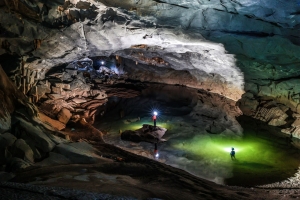
Nestled in Sinh Tồn Valley within the Phong Nha – Kẻ Bàng complex, Thủy Cung Cave (which means “Water Palace”) is famous for its mesmerizing jade-colored water.

The cave resembles an underwater palace, filled with unique stalactites of various shapes and colors. The mysterious emerald water continues to intrigue scientists and visitors alike.

Sơn Đoòng Cave – The Largest Cave in the World

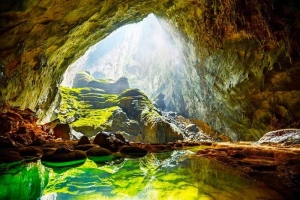
No list of Quảng Bình caves would be complete without Sơn Đoòng Cave, the largest cave on Earth.

Estimated to be around 3 million years old, Sơn Đoòng stretches nearly 9 kilometers long, with sections reaching 200 meters in height and 160 meters in width.

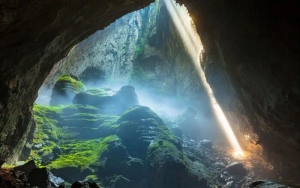
Two enormous skylights allow sunlight to enter the cave, creating a thriving jungle ecosystem inside. Massive underground rivers flow through the cave, and due to its immense size, clouds can even form within its chambers.

One of the final challenges for explorers is climbing the legendary “Great Wall of Vietnam,” a 90-meter limestone wall near the end of the expedition.

Newly Discovered Caves in Quảng Bình

In addition to the caves already open for tourism, researchers continue to discover new caves in the region.

Experts from the British Cave Research Association have recently identified 12 previously unexplored caves, many of which contain underground rivers and unique geological formations.

These discoveries further highlight the immense scientific, historical, and tourism value of Quảng Bình’s cave systems.

Experience the Wonders of Nature

Exploring the caves of Quảng Bình feels like stepping into another world. Towering stalactites, hidden rivers, and vast underground chambers reveal the incredible power of nature’s creativity.

Whether you are an adventurer, a nature lover, or a curious traveler, Quảng Bình’s caves promise unforgettable experiences and breathtaking beauty.

Plan your journey and discover why this remarkable destination is truly a natural masterpiece of Vietnam.

HAPPY LUNAR YEAR – 2026

Dear Valued Customers,

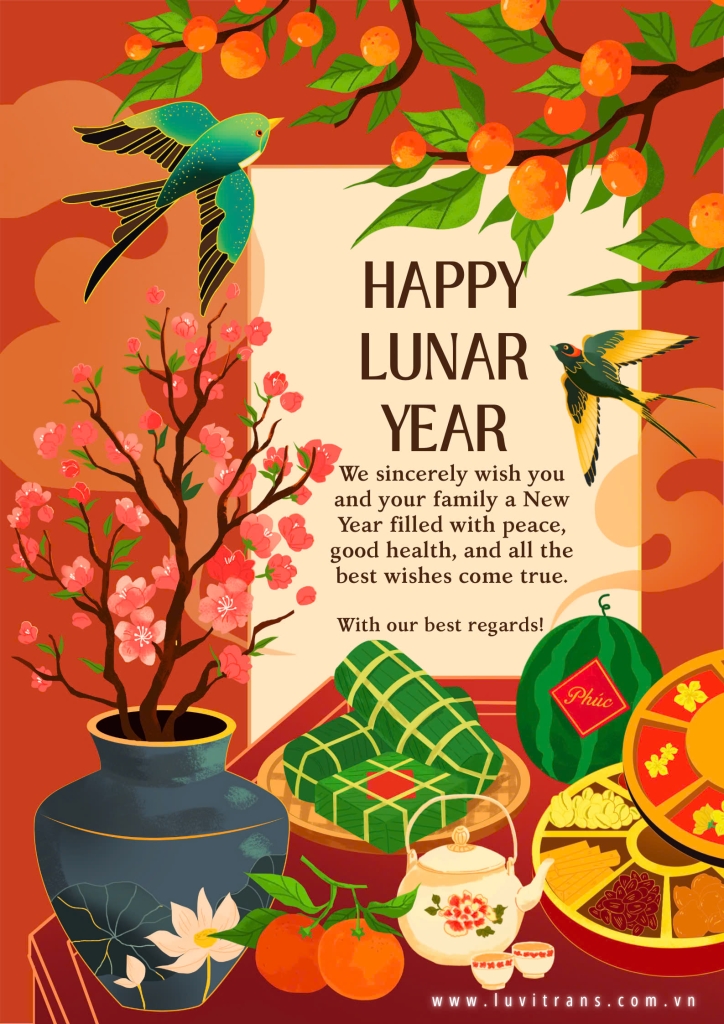
As the Year of the Horse 2026 approaches, we would like to respectfully extend to you our warmest wishes for a New Year filled with Health, Peace, and Prosperity.

We sincerely appreciate your continued trust and valued partnership throughout the past year. Your confidence in us serves as a vital foundation and enduring motivation for us to continuously enhance our capabilities, refine our services, and pursue sustainable growth.

Entering the New Year, we wish you continued success in your endeavors, sound judgment in every decision, and abundance in both your professional and personal life. We look forward to the privilege of continuing to accompany and serve you in the time ahead.

Yours faithfully,

LUVITRANS – LUXURY TRAIN IN VIETNAM

TRAVELING TO NORTHERN VIETNAM THIS SPRING

Traveling to Northern Vietnam This Spring? Don’t Miss These 10 Early-Year Festivals

From the third day of the Lunar New Year onward, locals and visitors from across the country traveling to Northern Vietnam can explore a wide range of distinctive traditional festivals. These events offer a wonderful opportunity to enjoy spring outings, pay respects at sacred sites, and learn more about the rich cultural customs of the Vietnamese people.

1. Dong Da Mound Festival (Hội Gò Đống Đa)

This is a victory festival held to commemorate the great achievements of King Quang Trung, a national hero in Vietnam’s history of resistance against foreign invaders.

The festival features many lively folk games and activities that highlight the martial spirit of the Vietnamese people.

2. Huong Pagoda Festival (Lễ hội chùa Hương)

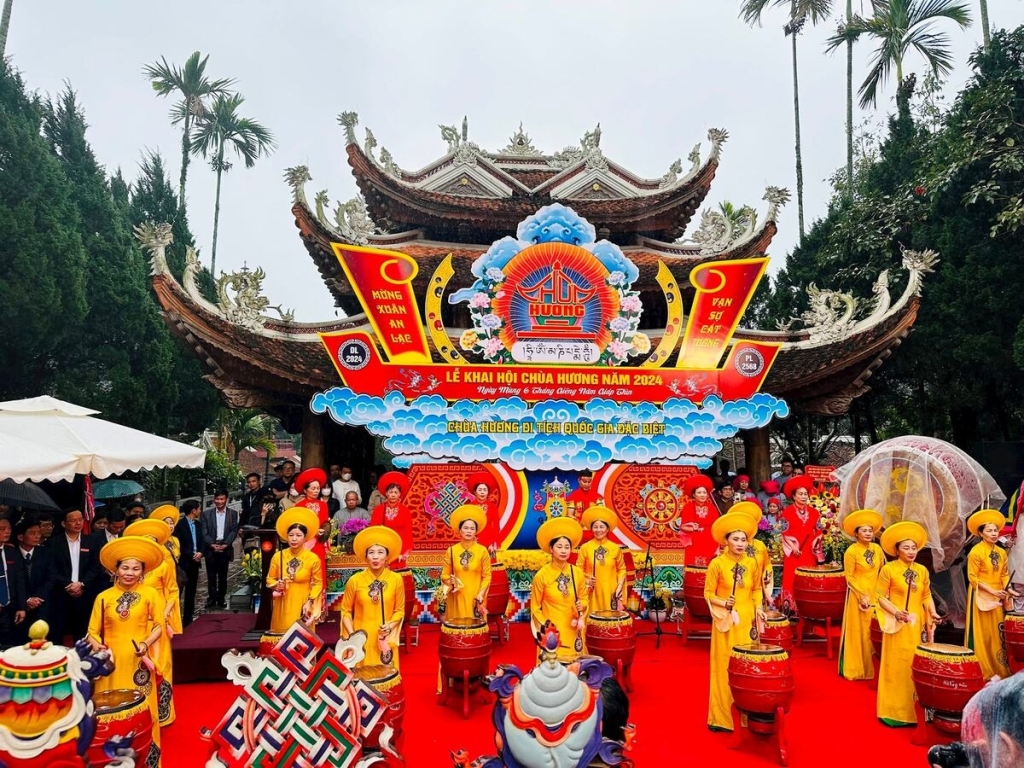
The Huong Pagoda Festival is one of the most famous festivals in Northern Vietnam, thanks to the picturesque Huong Son scenic complex that attracts visitors from all over. Each spring, from the 6th day of the first lunar month until the end of the third lunar month, crowds gather to attend the festival in Huong Son Commune, My Duc District, Hanoi.

During the festival, thousands of boats travel back and forth, carrying pilgrims and tourists. Visitors not only embark on a spiritual journey to the Buddha’s realm but also immerse themselves in the breathtaking natural landscape while enjoying hours of scenic boat rides.

3. Tan Vien Son Saint Worship Festival (Lễ hội thờ Tản Viên Sơn Thánh)

This festival originates from the tradition of worshipping Tan Vien Son Saint and aims to preserve and promote the spiritual cultural values associated with his contributions to the Vietnamese people.

On the main festival day, the 10th day of the first lunar month, a ceremony is held to receive the certificate recognizing the worship of Tan Vien Son Saint as a National Intangible Cultural Heritage.

The event takes place at the Ha Temple Historical and Cultural Site in Minh Quang Commune (Ba Vi District, Hanoi), with incense-offering ceremonies at Thuong Temple, Trung Temple, and Ha Temple.

4. Doi Son “Tich Dien” Ploughing Festival (Lễ hội Tịch điền Đọi Sơn)

Every year, residents of Doi Son Commune, Duy Tien District, Ha Nam Province eagerly await the Tich Dien Festival. This traditional festival marks the ceremonial ploughing of the fields to pray for favorable weather and abundant harvests.

Held from the 5th to the 7th day of the first lunar month, the festival promotes agriculture and dates back to the 10th century in the homeland of King Le Dai Hanh. After many years of discontinuation, it was revived in 2009 on the 7th day of the first lunar month.

5. Giong Temple Festival (Lễ hội đền Gióng)

Held annually on the 6th day of the Lunar New Year in Phu Dong Commune, Gia Lam District, the Giong Temple Festival is a distinctive traditional celebration recognized by UNESCO as an Intangible Cultural Heritage of Humanity.

The three-day festival includes traditional rituals such as the purification ceremony, processions, incense offerings, and the offering of bamboo flowers at Thuong Temple, where Saint Giong is worshipped.

The main festival day is the 7th day of the first lunar month, believed to be the day of the saint’s ascension according to legend. Key rituals include offering bamboo flowers and reenacting the defeat of enemy generals.

6. Vieng Market Festival (Lễ hội chợ Viềng)

Attending Vieng Market, which convenes only once a year at midnight, has become a unique cultural feature of Northern spring festivals. From the afternoon of the 7th day of the first lunar month, visitors flock to Vieng Market in Kim Thai Commune, Vu Ban District (Nam Dinh Province).

This once-a-year market is known as a place to buy goods for good luck. Visitors can also attend the Phu Day Festival on the 8th day of the first lunar month. Phu Day is one of the main temples dedicated to Princess Lieu Hanh, one of Vietnam’s “Four Immortals.”

7. Yen Tu Festival (Lễ hội Yên Tử)

Beginning on the 10th day of the first lunar month and lasting until the end of the third lunar month, the Yen Tu Festival draws pilgrims and tourists to Yen Tu Mountain in Quang Ninh Province, where they can visit the famous bronze pagoda perched atop the sacred peak.

This year marks the first time the opening ceremony has been held at the Truc Lam Cultural Center, part of the Yen Tu Festival Central Area project.

The festival also features related events such as the Yen Tu Cherry Blossom and Golden Apricot Festival, Hang Son Temple Festival, and the early spring festival at Ba Vang Pagoda.

8. Lim Festival (Lễ hội Lim)

Lim Festival is a major celebration in Bac Ninh Province, with its main event held annually on the 13th day of the first lunar month in Tien Du District.

Originating from traditional pagoda festivals and singing gatherings, it is associated with the folk legend of Truong Chi and My Nuong.

During the festival, various folk games and competitions take place, including martial arts, wrestling, human chess, swinging contests, weaving competitions, and rice-cooking contests. The highlight of the festival is the traditional Quan Ho folk singing performances.

9. Tran Temple Seal-Opening Ceremony (Khai ấn đền Trần)

Held at Tran Temple in Nam Dinh Province, this is one of the largest early-spring festivals, taking place from the 11th to the 16th day of the first lunar month.

In addition to the midnight seal-distribution ceremony between the 14th and early 15th day, the festival includes traditional activities such as lion and dragon dances, “cheo” folk opera, “chau van” singing, human chess competitions, and wrestling.

The seal-opening ritual is a humane cultural tradition in which the king would offer sacrifices to Heaven, Earth, and ancestors to express gratitude. It also serves as a symbolic reminder that the Lunar New Year holiday has ended and it is time to return to work.

In recent years, more people have attended the ceremony, hoping for success and prosperity in the new year.

10. Ba Chua Kho Temple Festival (Lễ hội Bà Chúa Kho)

The Ba Chua Kho Festival is officially held on the 14th day of the first lunar month. However, from the beginning of the year, the Ba Chua Kho Temple (in Co Me Village, Vu Ninh Ward, Bac Ninh City) attracts large numbers of visitors seeking good fortune.

Many businesspeople visit the temple at the start of the year to pray for smooth operations and prosperity in their work.

These traditional early-year festivals in Northern Vietnam offer both locals and tourists the chance to explore unique cultural values, participate in vibrant activities, and deepen their appreciation and pride in Vietnam’s rich national heritage.
MERRY CHRISTMAS & HAPPY NEW YEAR 2026

To Our Valued Customers

🎄 On the occasion of Christmas, LUVITRANS – LUXURY TRAIN IN VIETNAM would like to extend our warmest wishes to our Valued Customers for a peaceful, joyful, and happy Christmas filled with love alongside your family and loved ones.
Thank you sincerely for your trust and continued support. We wish you a New Year full of good health, success, and prosperity.

MOST ANTICIPATED SPRING FESTIVALS IN HUE IN 2026

Hue, one of the most attractive destinations during the Lunar New Year holiday, has won the hearts of both domestic and international travelers. Known as a charming “coastal city,” Hue not only captivates visitors with its stunning natural scenery but also enchants them with its unique festive atmosphere. Save this list of top places to visit in Hue during Tet for the best spring experiences.

1. Thuong Tieu Ceremony (New Year Pole Raising Ceremony)

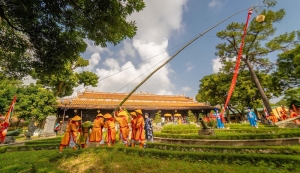
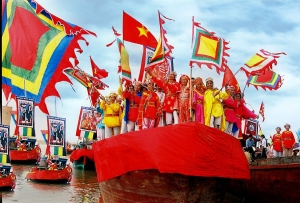
The Thuong Tieu Ceremony, also known as the New Year Pole Raising Ceremony, is a solemn ritual held at The Mieu Temple and Long An Palace, originating from the Nguyen Dynasty. Rich in Vietnamese cultural traditions, the ceremony features processions of participants dressed in traditional red and yellow uniforms carrying 15-meter bamboo poles. The rituals are accompanied by lively imperial court music, bringing a fresh vibrancy to the otherwise quiet, ancient setting.

  • Time: 23rd day of the 12th lunar month (annually)

  • Location: From Thai Hoa Palace to The To Mieu, Hue Imperial City

2. Spring Swing Festival (Lễ hội Đu Tiên)

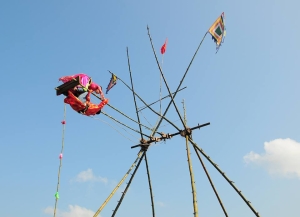
This unique and thrilling festival is beloved by many in Hue. Participants fasten themselves securely and swing high on tall handcrafted swings created by skilled local artisans. Whoever reaches the highest point becomes the winner. The festival brings joy and excitement to people of all ages.

The Điền Hòa Swing Festival not only preserves the traditional cultural beauty of the village and prays for favorable weather and bountiful harvests, but also serves as an opportunity for young men to showcase strength, endurance, and bring good fortune in the new year.

  • Time: 2nd day of the 1st lunar month (annually)

  • Location: Dien Hoa Commune, Phong Dien District (Thua Thien Hue)

3. Spring Boat Racing Festival

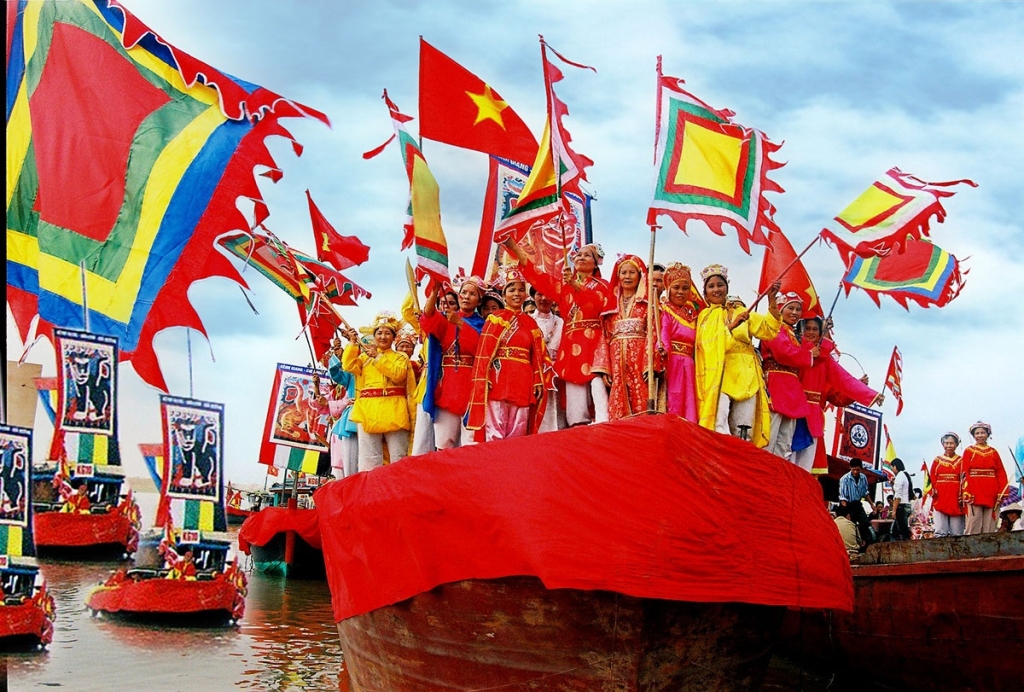
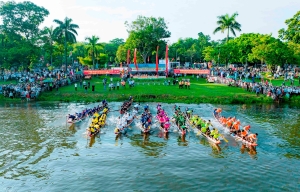
One of the most anticipated events during Tet in Hue, the spring boat race draws large crowds of visitors. Held on the 7th and 8th days of the new year, this traditional festival dates back centuries and was originally organized by local fishermen along the Vuc River to pray for a prosperous fishing season.

As you join the festival, you’ll witness thrilling races, splashing waters, and endless cheering that fill the entire riverbank with excitement.

If you visit Hue on the 6th day of Tet, don’t worry—you can still enjoy a similar boat racing festival at the famous Lang Co Bay, one of the world’s most beautiful bays.

  • Time: 6th, 7th, and 8th days of the 1st lunar month (annually)

  • Location: Vuc River (Quang Dien) & Lang Co Bay (Phu Loc)

4. Cau Ngu Festival (Fishermen’s Praying Festival)

This is one of Hue’s most unique spring festivals, where visitors can witness sacred rituals and cultural reenactments of traditional fishing village life. Steeped in spiritual symbolism, the festival prays for favorable weather and peaceful, prosperous lives. Locals dress in traditional fishermen’s clothing and recreate daily activities and lively waterside scenes, offering an unforgettable cultural experience.

  • Time: 10th–12th days of the 1st lunar month (held every three years)

  • Location: Thai Duong Ha Village, Thuan An (Phu Vang)

5. Thu Le Wrestling Festival

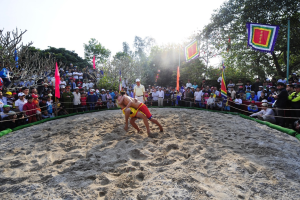
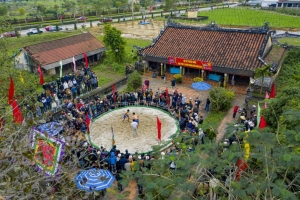
With a strong martial spirit, this wrestling festival showcases traditional Vietnamese sportsmanship during the spring season. More than 100 young wrestlers from villages across Quang Dien District gather to compete, keeping alive the cultural beauty of traditional wrestling. Expect intense energy and roaring cheers as impressive moves are executed.

  • Time: 6th day of the 1st lunar month (annually)

  • Location: Thu Le Communal House Yard, Quang Dien (Thua Thien Hue)

6. Sinh Village Wrestling Festival

With over 200 years of history, this festival warmly welcomes anyone to participate—locals and visitors alike, even spectators who want to try wrestling on the spot. Despite the lively and festive atmosphere, strict rules still apply: each wrestler must defeat two consecutive opponents to win. This creates an energetic yet competitive ambiance, making it one of Hue’s most exciting spring festivals.

  • Time: 10th day of the 1st lunar month (annually)

  • Location: Lai An Village, Phu Mau (Phu Vang)

7. Bai Choi Festival

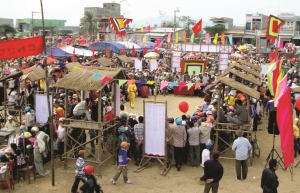
Nothing is more delightful during spring than joining a friendly, humorous round of Bai Choi—a traditional musical card game. With the witty, rhythmic chants of the “game master,” Bai Choi attracts both locals and tourists and brings joyful energy to the New Year.

  • Time: 1st to 10th days of the 1st lunar month (annually)

  • Location: Thanh Toan Tile-Roofed Bridge, Thanh Thuy Chanh (Thuy Thanh, Huong Thuy)

    Hue in spring is not only beautiful for its poetic landscapes but also deeply captivating thanks to its rich cultural heritage and vibrant traditional festivals. Exploring Hue’s spring festivals will give you unforgettable memories and truly meaningful cultural experiences. Don’t miss the chance to immerse yourself in the lively atmosphere and cultural charm of this imperial city.

    With these travel insights from Luvitrans, we hope your journey to Hue  in spring will be filled with unforgettable memories. For sleeper train tickets or tour consultations, visit:
    https://www.facebook.com/luvitrans 

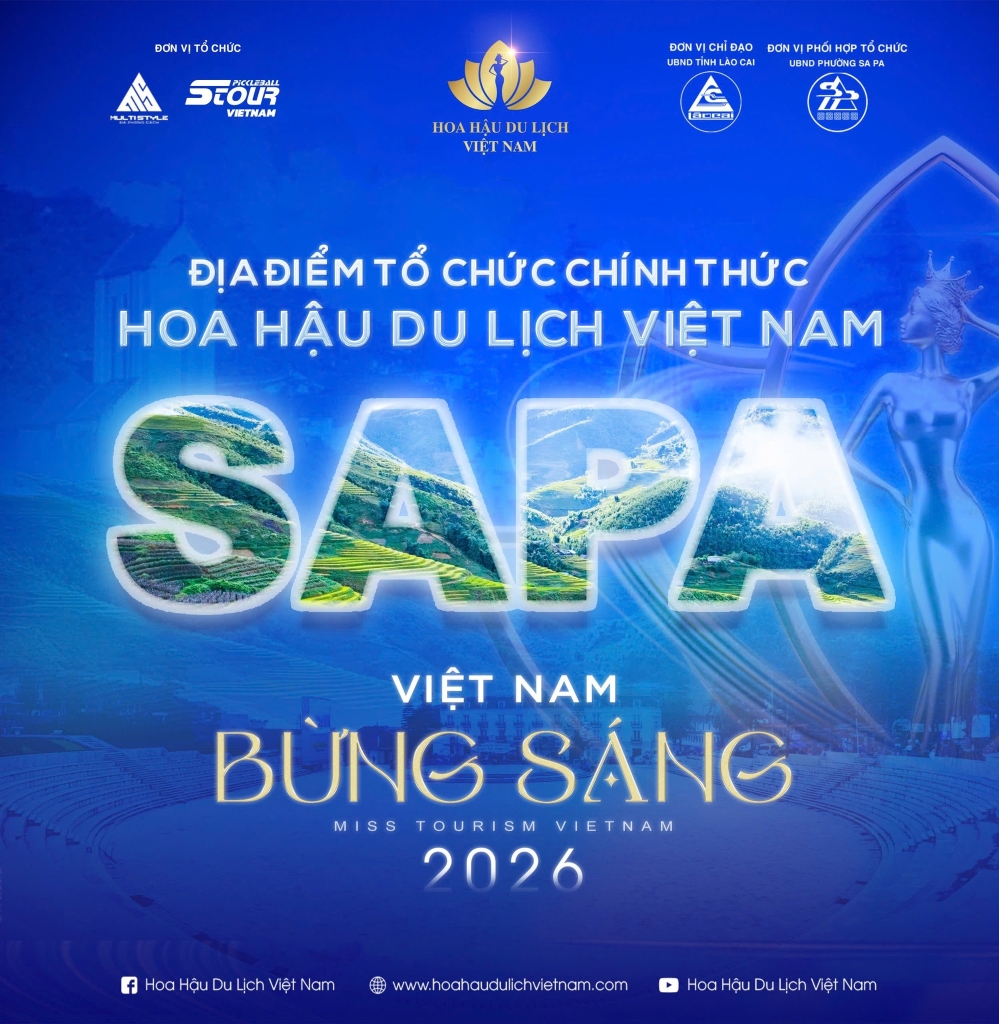
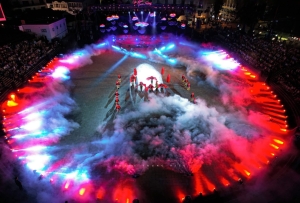
🌄 SA PA – LAO CAI OFFICIALLY DESIGNATED AS THE HOST LOCATION FOR MISS TOURISM VIETNAM 2026 🌄

🌄 SA PA – LAO CAI OFFICIALLY DESIGNATED AS THE HOST LOCATION FOR MISS TOURISM VIETNAM 2026 🌄

A significant milestone for the pageant has been formally established: Sa Pa – Lao Cai will serve as the venue for the distinguished journey of this year’s contestants.


Renowned for its magnificent scenery, distinctive climate, and profound cultural heritage, Sa Pa stands not only as a premier tourist destination but also as a deserving choice to elevate the quality, image, and prestige of the 2026 competition.

In this remarkable setting, each contestant will be afforded the opportunity to demonstrate her poise, intellect, and capacity as a tourism ambassador, within an environment rich in inspiration and reflective of Vietnam’s cultural essence and natural beauty.

We look forward to welcoming you to Sa Pa – Lao Cai, as we come together to create a truly exceptional and memorable season. ✨

Hoang Lien National Park – A Dreamlike Ecological Paradise

Hoang Lien National Park – A Dreamlike Ecological Paradise

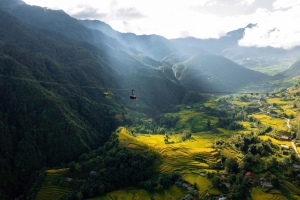
Lao Cai is one of the most captivating mountainous destinations in Vietnam’s Northwest, blessed with majestic natural landscapes. Beyond the renowned town of Sapa, this province offers countless hidden gems that nature lovers should not overlook.

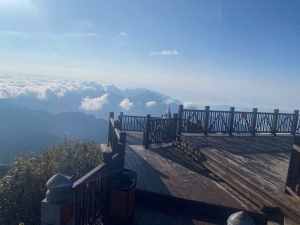
Among them, Hoang Lien National Park stands out as a must-visit destination—an expansive natural sanctuary with refreshing mountain air, lush greenery, and incredible biodiversity. It is the perfect place to reconnect with nature through trekking, mountain climbing, and unforgettable outdoor adventures. The park is also home to diverse ethnic cultures that have been preserved for generations.

If you’re seeking a journey filled with discovery and breathtaking scenery, Hoang Lien National Park promises an experience like no other.

1. About Hoang Lien National Park

Nestled along the magnificent Hoang Lien Son mountain range at elevations between 1,000 and 3,000 meters, Hoang Lien National Park covers parts of San Sa Ho, Lao Chai, Ta Van, and Ban Ho communes in Sapa District, Lao Cai Province. It also extends into Tan Uyen District of Lai Chau Province.

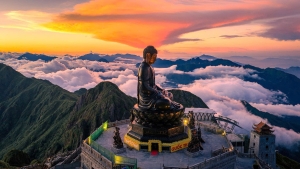
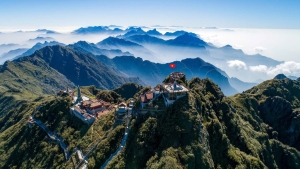
The park is one of Vietnam’s most important protected areas, encompassing a core zone of 29,845 hectares and a buffer zone of 38,724 hectares. Its highlights include the legendary Mount Fansipan—the Roof of Indochina—and the vibrant mountain town of Sapa.

Originally established as the Hoang Lien–Sa Pa Nature Reserve in 1996, the site was officially recognized as Hoang Lien National Park in 2002. In 2006, it earned the prestigious title of ASEAN Heritage Park thanks to its remarkable natural beauty and rich biodiversity.

2. Best Time to Visit

Lao Cai enjoys a cool climate year-round, with winters cold enough for snowfall. Hoang Lien National Park is charming in every season, but the best time to visit is from December to April, when the weather is dry and ideal for trekking and exploration.

Winter visitors may even be lucky enough to witness delicate snowflakes covering the mountain landscape—a rare and magical experience in Vietnam. If traveling during this time, be sure to pack warm clothing.

3. How to Get There

From Hanoi

Travelers can choose from various transportation options:

By Bus:
Reputable companies such as Sao Viet, Ha Son – Hai Van, and Viet Bus operate frequent trips from Hanoi to Sapa. The journey takes 5–7 hours, with fares ranging from 450,000–650,000 VND per person.

By Motorbike:
A favorite among adventure seekers, motorbiking allows you to enjoy scenic mountain roads and the freedom to explore at your own pace.

By Train:


Overnight sleeper trains offer comfort and convenience. You can rest through the night and arrive refreshed in Sapa the next morning. Ticket prices vary from 780,000–1,600,000 VND depending on the cabin type.
Luxury sleeper cabins can be booked conveniently at https://luvitrans.com.vn.

From Ho Chi Minh City & Other Regions

Travelers typically fly to Hanoi’s Noi Bai Airport, then continue to Lao Cai by bus, train, or private transfer.

4. What to Do in Hoang Lien National Park

Immerse Yourself in Nature

The park is a paradise for eco-tourism enthusiasts. With shifting weather patterns throughout the day, you can experience misty mornings, warm sunshine, and cool breezes—all within a few hours.

Hoang Lien is home to rare species such as the black gibbon, silver-cheeked langur, spiny frog, and large-spotted eagle, making it one of Vietnam’s most biologically diverse regions.

Challenge Yourself with Trekking and Mountain Climbing

The park’s rugged mountains and winding passes offer incredible opportunities for adventure. Travelers can embark on iconic journeys such as:

  • Conquering Mount Fansipan
  • Trekking to Love Waterfall
  • Exploring deep forest trails

These activities promise both physical challenge and spectacular rewards.

Discover Ethnic Minority Culture

Hoang Lien is also a cultural treasure, home to ethnic communities such as the Hmong, Tay, Dao, and Giay. Visitors can enjoy traditional performances, learn about local lifestyles, and savor unique highland cuisine.

5. Accommodation

Although accommodation options within the park are limited, nearby Sapa Town offers a full range of choices—from luxury mountain-view resorts (starting at 2,000,000 VND/night) to comfortable budget hotels and cozy homestays (from 500,000 VND/night).

6. Local Cuisine to Experience

A trip to Hoang Lien would be incomplete without tasting iconic Northwest dishes, including:

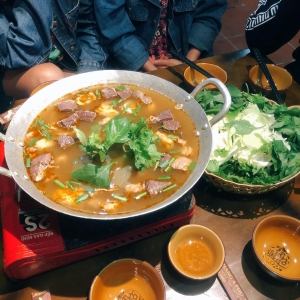
  • Thang Co (traditional horse meat stew)
  • Smoked meats
  • “Cap Nach” pork
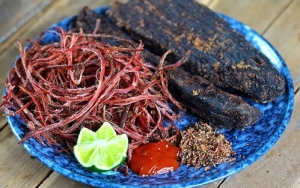
  • Dried buffalo meat
  • Five-color sticky rice

You may also bring light snacks for your trek or plan a small outdoor picnic surrounded by nature.

With these travel insights from Luvitrans, we hope your journey to Hoang Lien National Park will be filled with unforgettable memories. For sleeper train tickets or tour consultations, visit:
https://www.facebook.com/luvitrans

Contact us Ms. Quế
Contact us Ms. Yến